Strategic Bridges Between Poker Sequences and Roulette Outcomes Within Tiered Loyalty Frameworks on Portable Platforms
Nils Schulz · Aug 3, 2026

Strategic Bridges Between Poker Sequences and Roulette Outcomes Within Tiered Loyalty Frameworks on Portable Platforms
Portable platforms have integrated tiered loyalty frameworks that connect poker sequences such as straight flushes and full houses with roulette outcomes including number clusters and color patterns, creating structured pathways for player engagement across multiple game types. Data from mobile gaming operators indicate these systems track hand sequences alongside spin results to adjust reward multipliers within each loyalty tier, allowing participants to progress through levels based on combined activity rather than isolated sessions.
Loyalty Tiers Shape Game Selection Patterns
Operators on portable devices organize loyalty structures into multiple tiers that influence how users approach poker sequences and roulette outcomes, with entry-level participants often receiving baseline bonuses while higher tiers unlock enhanced multipliers tied to specific sequence and outcome combinations. Research from regional gaming authorities shows that players in mid-tier brackets demonstrate measurable shifts toward hybrid tournament formats where poker hand completions directly feed into roulette spin credits, establishing measurable bridges between the two formats. Those who study transaction logs note that funding choices align closely with tier status, as users at advanced levels select deposit methods that accelerate access to combined poker-roulette ladders.
Figures released in August 2026 by several state regulatory bodies highlight continued expansion of mobile loyalty programs across eight jurisdictions, where tiered rewards now incorporate sequence tracking for poker alongside outcome probability adjustments for roulette. This integration allows operators to present unified progress bars that reflect both card game performance and wheel results, encouraging sustained participation without requiring separate accounts for each vertical.
Sequence and Outcome Linkages in Tournament Ladders
Portable tournament circuits frequently merge poker sequences with roulette outcomes through shared loyalty point systems, where completing a flush or straight in poker contributes points that modify roulette payout structures during subsequent spins. Observers monitoring platform data have documented patterns in which higher-tier members receive preferential placement in events that alternate between card sequences and wheel outcomes, creating strategic continuity across game types. Studies conducted by academic research groups reveal that these linkages appear most pronounced on devices running iOS and Android operating systems, where real-time tracking synchronizes loyalty meters with both poker hand histories and roulette result logs.
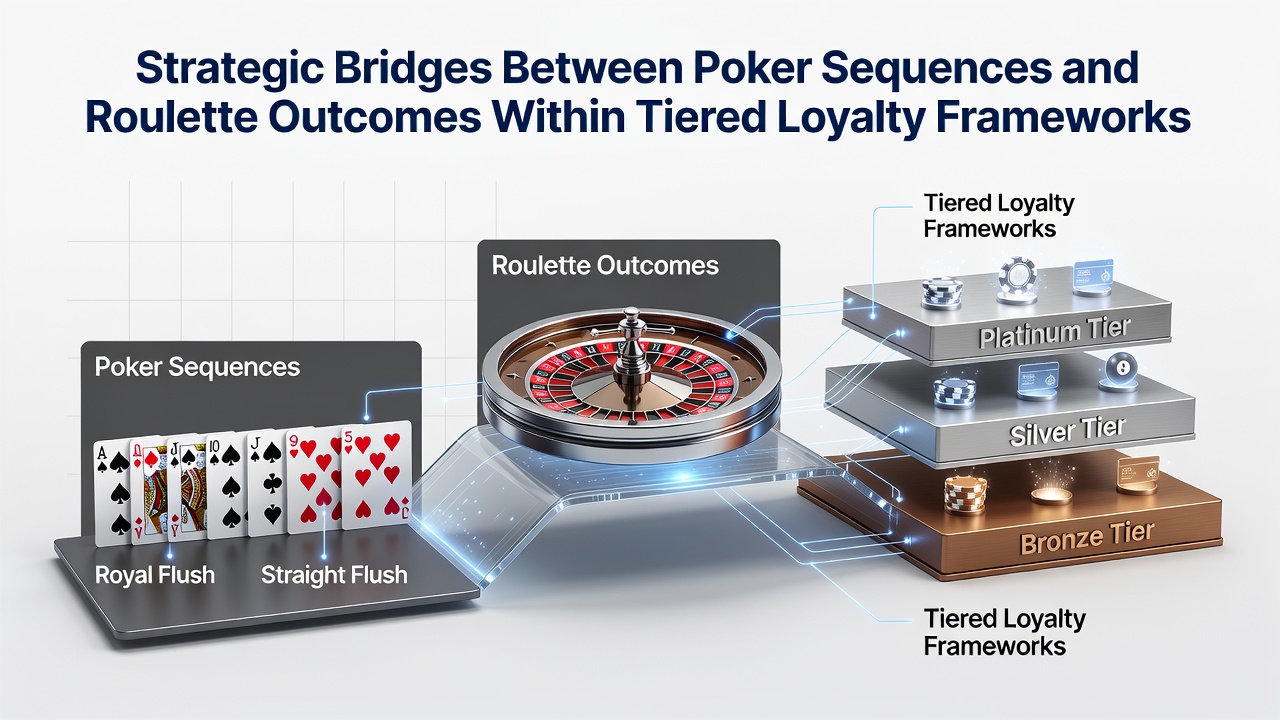
According to reports from the Alcohol and Gaming Commission of Ontario, mobile platforms operating within Canadian provinces have refined these bridges by adjusting tier thresholds quarterly, ensuring that sequence completion rates in poker remain balanced against roulette outcome frequencies. Participants who advance through tiers often encounter modified bonus tables that reward consecutive poker hands with enhanced roulette multipliers, while consistent wheel results unlock poker tournament entries at elevated stake levels.
Transaction Timing and Tier Progression
Deposit timing on portable platforms intersects with loyalty tiers to determine how quickly users can leverage connections between poker sequences and roulette outcomes, with same-day funding often accelerating tier advancement and unlocking combined game bonuses. Industry data collected through 2026 demonstrate that players who align deposit schedules with tier reset periods achieve faster integration of poker hand tracking with roulette reward structures. Those monitoring user behavior across multiple jurisdictions report that higher-tier accounts exhibit distinct patterns in which transaction methods influence the speed at which sequence-based bonuses convert into outcome modifiers on the roulette wheel.
Regulatory filings from the New South Wales Independent Liquor and Gaming Authority indicate that portable loyalty frameworks now incorporate safeguards that prevent rapid tier manipulation while still permitting strategic movement between poker and roulette formats. These measures maintain equilibrium across game categories, ensuring that sequence achievements in poker contribute proportionally to roulette outcome rewards without creating imbalances that favor one format over the other.
Regional Data and Platform Adaptations
August 2026 metrics from multiple regulatory sources show portable platforms expanding loyalty features that explicitly bridge poker sequences and roulette outcomes, with tiered structures adapting to regional preferences in game sequencing. Operators in North American and European markets have implemented cross-game progress trackers that register poker hand completions alongside roulette spin results, allowing unified tier advancement regardless of which format receives primary focus during a session. External analyses from university research departments confirm that these adaptations correlate with increased session duration across both game types when loyalty incentives span the two formats.
Portable device compatibility plays a central role in maintaining these strategic bridges, as operating system updates frequently include improved synchronization between poker sequence logs and roulette outcome histories within loyalty dashboards. Data aggregated by industry associations reveal consistent growth in hybrid tournament participation where tier status determines entry eligibility and reward scaling across both poker and roulette components.
Conclusion
Tiered loyalty frameworks on portable platforms continue to develop measurable connections between poker sequences and roulette outcomes through shared tracking mechanisms and reward structures. Regulatory data from 2026 demonstrate ongoing refinement of these systems across multiple regions, with transaction patterns and tournament formats reflecting the integration of card game sequences alongside wheel-based results. As platforms update their loyalty architectures, the strategic bridges between these formats remain central to how participants navigate tier progression on mobile devices.