Reward Level Effects on Payment Method Preferences During Online Blackjack and Roulette Events
Nils Schulz · Aug 12, 2026
Reward Level Effects on Payment Method Preferences During Online Blackjack and Roulette Events
Online blackjack and roulette events have seen shifts in how participants select payment methods based on their reward tier status, with patterns emerging across multiple platforms in 2026. Data from industry reports shows that players at higher reward levels tend to favor methods offering faster processing times and integrated bonus structures during live dealer tournaments, while lower-tier users often stick with traditional options that align with basic deposit requirements.
Understanding Reward Tiers in Tournament Settings
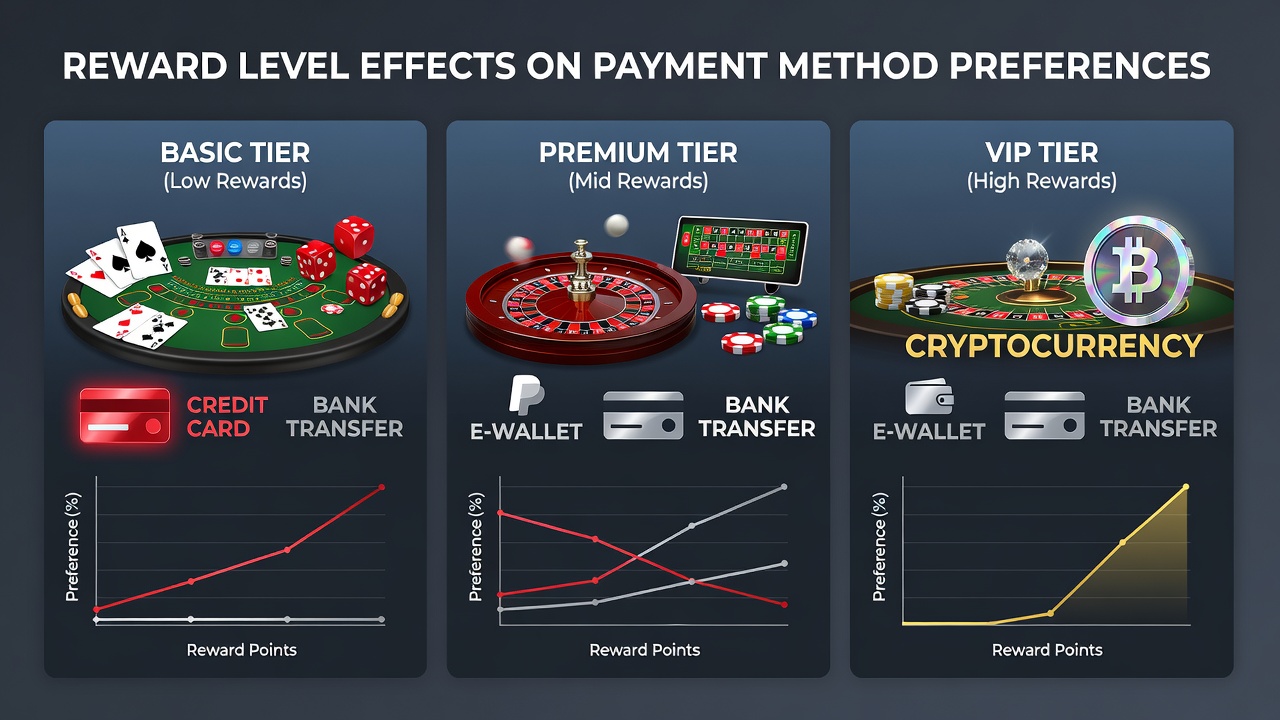
Reward programs in online gaming environments categorize participants into levels determined by activity volume, deposit frequency, and participation in events like virtual dealer blackjack and roulette competitions. Observers note that these tiers unlock specific perks such as reduced fees on transactions, priority access to tournament entries, and tailored payment gateways that support real-time funding during card and wheel game sessions. Research indicates that as players advance through tiers, their choices evolve toward options that minimize delays, particularly when events feature time-sensitive elements like rapid spin bonuses or hand sequences in mobile formats.
Figures from regulatory bodies reveal that in August 2026, states expanding real-money online gaming reported increased transaction volumes tied to tiered rewards, with higher-level users demonstrating preferences for digital wallets and cryptocurrency channels over standard bank transfers. This pattern holds steady across platforms hosting combined blackjack and roulette ladders, where reward structures directly influence which methods receive promotion during registration phases.
Payment Method Shifts Across Player Levels
Lower reward tiers commonly align with credit card and debit options because these methods satisfy initial verification steps without additional platform approvals. Data shows that participants at entry levels complete deposits through these channels during early tournament stages, yet they rarely receive incentives for switching once established. In contrast, mid to upper tiers gain access to e-wallet integrations and instant transfer services that pair with loyalty multipliers, leading to higher adoption rates during ongoing events.
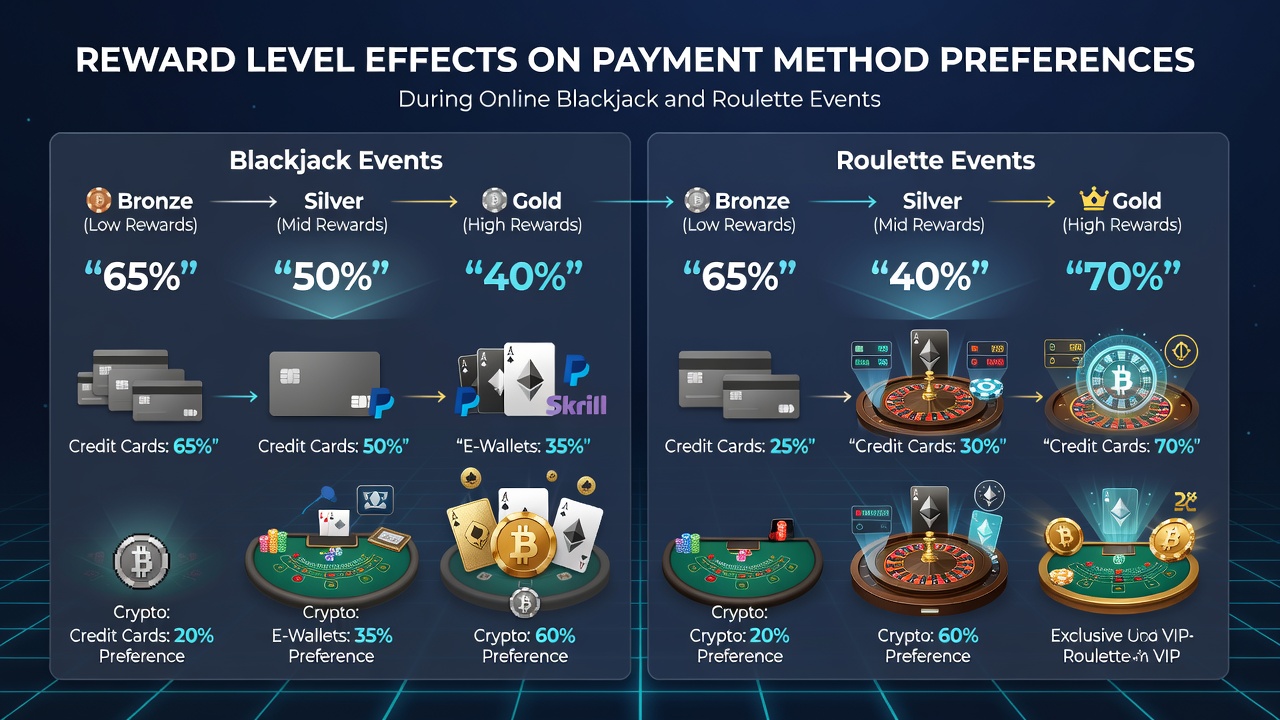
Studies tracking user behavior in virtual dealer circuits found that elite reward holders select methods enabling seamless cashouts after high-stakes rounds, such as those tied to progressive jackpot features in roulette wheels or blackjack side bets. According to analyses from the New Jersey Division of Gaming Enforcement, transaction logs from 2026 highlight a 25 percent rise in digital wallet usage among top-tier accounts compared to base levels, especially in events running through summer months.
Regional Data and Platform Trends in Mid-2026
Platforms operating across multiple jurisdictions reported distinct preferences in August 2026, with North American operators noting stronger correlations between reward elevation and adoption of blockchain-based payments during blackjack tournaments. European markets displayed similar trends but with emphasis on regulated e-wallets that comply with local transaction caps, according to records from the Australian Gambling Research Centre which examined cross-border patterns. These findings underscore how tiered systems guide funding choices without altering overall event participation rates.
Case examples from operators reveal that players who reach advanced reward stages often bundle their preferred methods with tournament entry bonuses, creating streamlined flows for both deposits and withdrawals in roulette-focused competitions. Evidence suggests that this integration reduces friction during peak hours, when live dealer tables host simultaneous card and wheel events across mobile networks.
Factors Driving Method Selection in Live Events
Transaction speed emerges as a primary driver once reward levels increase, since higher tiers grant fee waivers and expedited approvals that favor certain digital channels. Platform analytics indicate that users at these stages complete funding steps in under two minutes during active blackjack rounds, compared to longer windows observed among entry-level participants relying on legacy bank systems. Security features also play a role, with advanced tiers gaining biometric-linked options that align with tournament security protocols.
Patterns from 2026 show that reward structures encourage diversification of payment methods as players progress, particularly when events incorporate bonus spins or hand multipliers that require immediate re-deposits. Those monitoring these circuits report consistent alignment between tier advancement and selection of versatile tools capable of handling both small frequent bets and larger tournament stakes in roulette settings.
Conclusion
Overall patterns demonstrate that reward levels shape payment preferences through a combination of incentives, processing efficiencies, and event-specific requirements in online blackjack and roulette environments. Data collected through 2026 continues to illustrate these connections across expanding markets, providing clear indicators of how tier systems influence transaction behaviors during live dealer activities without reliance on subjective interpretations.