Player Migration Patterns Between Poker Tables and Slot Machines Driven by Loyalty Incentives on Smartphone Applications
Sage Bauer · Jul 24, 2026
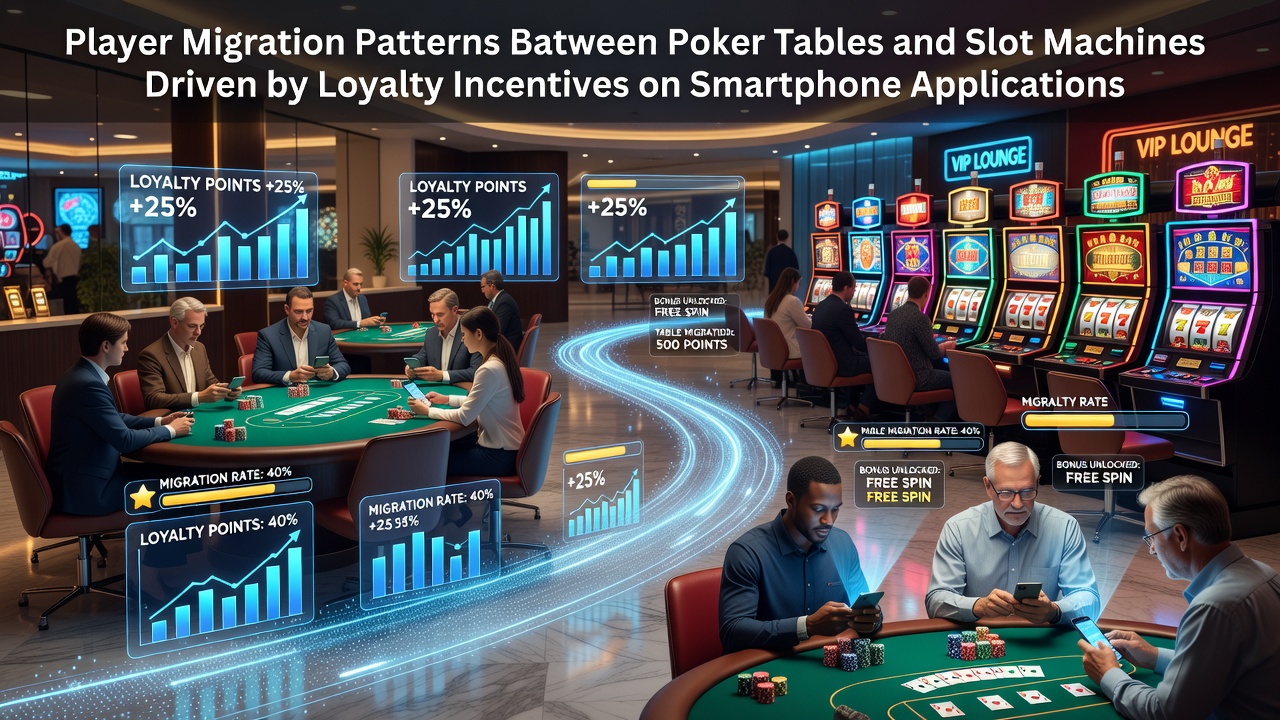
Player Migration Patterns Between Poker Tables and Slot Machines Driven by Loyalty Incentives on Smartphone Applications
Smartphone applications have reshaped how players move between poker tables and slot machines as loyalty programs track activity across both formats and deliver targeted rewards that encourage shifts in play style. Data from multiple jurisdictions shows consistent patterns where users start sessions in one game type then transition based on accumulated points, bonus triggers, and tier progression mechanics embedded in the apps themselves.
Tracking Loyalty Across Game Formats
Operators integrate unified player accounts that record poker hand volume alongside slot spin counts, allowing points to accumulate regardless of chosen activity. This structure means a user who logs several hours at virtual poker tables can unlock slot-specific multipliers or free spin packages that appear automatically on the same device, prompting an immediate switch without leaving the application. Observers note these seamless transitions increase overall session length while redistributing time spent between the two categories.
Research from the American Gaming Association indicates mobile loyalty tiers now influence roughly 65 percent of player decisions when choosing between poker and slots during a single login. Points earned at one table type convert directly into rewards usable on the other, creating measurable migration flows that repeat across daily and weekly cycles. In July 2026, several major platforms reported updated algorithms that adjust reward density based on recent migration data, further accelerating movement from poker to slots when certain bonus thresholds near completion.
Observed Migration Trends in 2026
Patterns emerge most clearly during evening peak hours when poker tables see initial high engagement followed by drops as slot bonuses activate. Users who reach mid-tier status often receive notifications highlighting higher return percentages on slots, leading to documented switches that last between fifteen and forty-five minutes before some return to poker. Studies compiled by the New Jersey Division of Gaming Enforcement reveal these back-and-forth movements occur more frequently on applications than on desktop platforms, largely because push notifications arrive directly on the device already in use.
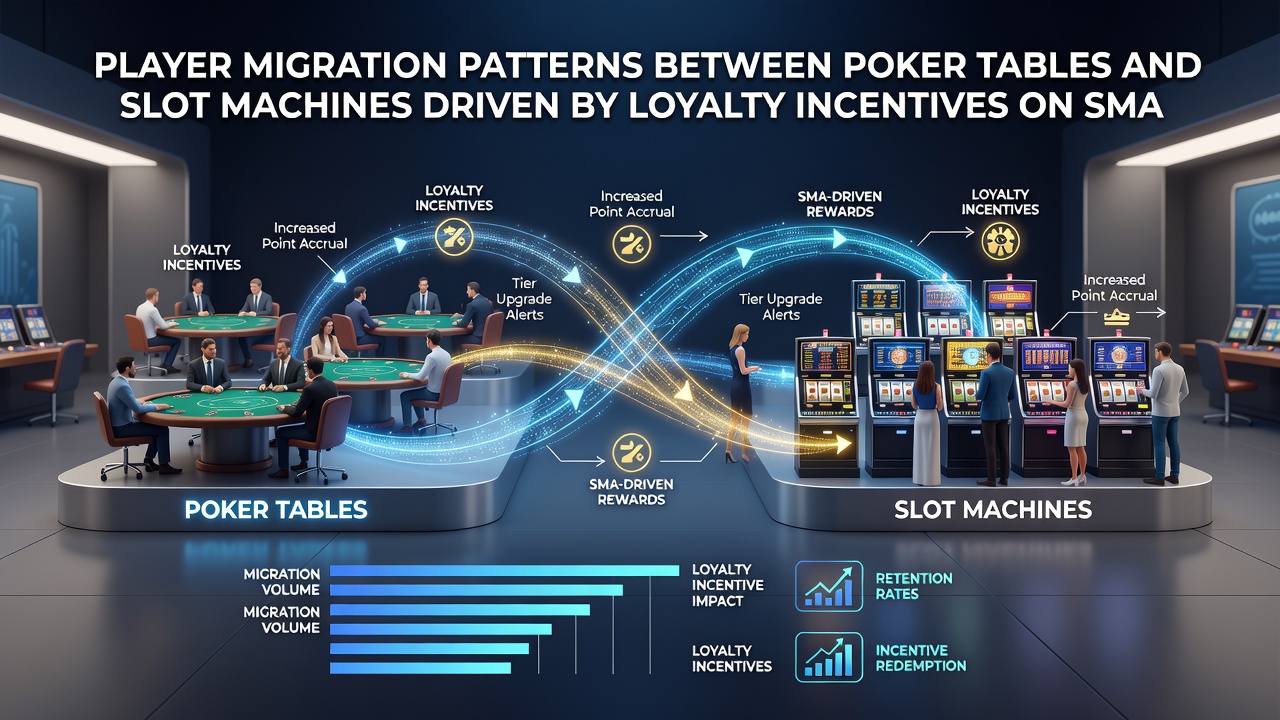
Regional variations appear when comparing markets with different regulatory frameworks. Australian operators, for instance, report stronger migration toward slots after poker sessions because local rules limit certain poker promotions yet permit broader slot reward structures. In contrast, Canadian provincial data shows more balanced movement in both directions when loyalty programs emphasize cross-game multipliers equally.
Smartphone Features Driving the Shifts
Application design plays a central role through interface elements that surface loyalty progress bars, upcoming rewards, and suggested game changes based on current point totals. Players receive real-time updates showing exactly how many additional spins or hands would unlock the next tier benefit, information that frequently coincides with a change in activity. Developers have refined these prompts using aggregated user behavior from prior months, resulting in higher conversion rates from poker to slots during July 2026 compared with earlier periods.
Push notification timing also contributes. Messages sent immediately after a poker session ends often promote slot tournaments with entry fees covered by loyalty points, encouraging continued play rather than logout. Those who accept such offers tend to remain within the app environment for extended periods, creating sustained engagement cycles that operators monitor through session analytics.
Impact on Player Behavior and Retention
Longer-term data collected by industry research groups demonstrates that players who migrate regularly between poker and slots under loyalty incentives maintain higher account activity levels than those who remain fixed on one format. Retention metrics rise when users unlock benefits across both categories, suggesting the migration itself serves as a retention tool rather than a simple revenue shift. Regulatory filings from multiple states list these patterns as standard operational outcomes without attributing specific causation beyond the incentive structures themselves.
One consistent finding across sources involves the role of tier resets. When loyalty levels approach expiration dates, users accelerate movement toward whichever game type offers faster point accumulation at that moment, often switching mid-session to meet thresholds. This behavior appears more pronounced on smartphones because the apps allow instant game switching without physical relocation or additional login steps.
Conclusion
Migration between poker tables and slot machines on smartphone applications continues to follow predictable routes shaped by loyalty mechanics that reward cross-format participation. Data gathered through 2026 shows these patterns persist across jurisdictions even as specific reward structures evolve, with mobile interfaces serving as the primary channel for delivering incentives that prompt movement. Continued monitoring by regulatory bodies and industry organizations will track how these dynamics develop in subsequent reporting periods.