Charting Loyalty Incentive Effects on Cross-Platform Card and Spin Tournament Participation Dynamics
Sage Bauer · Jul 20, 2026
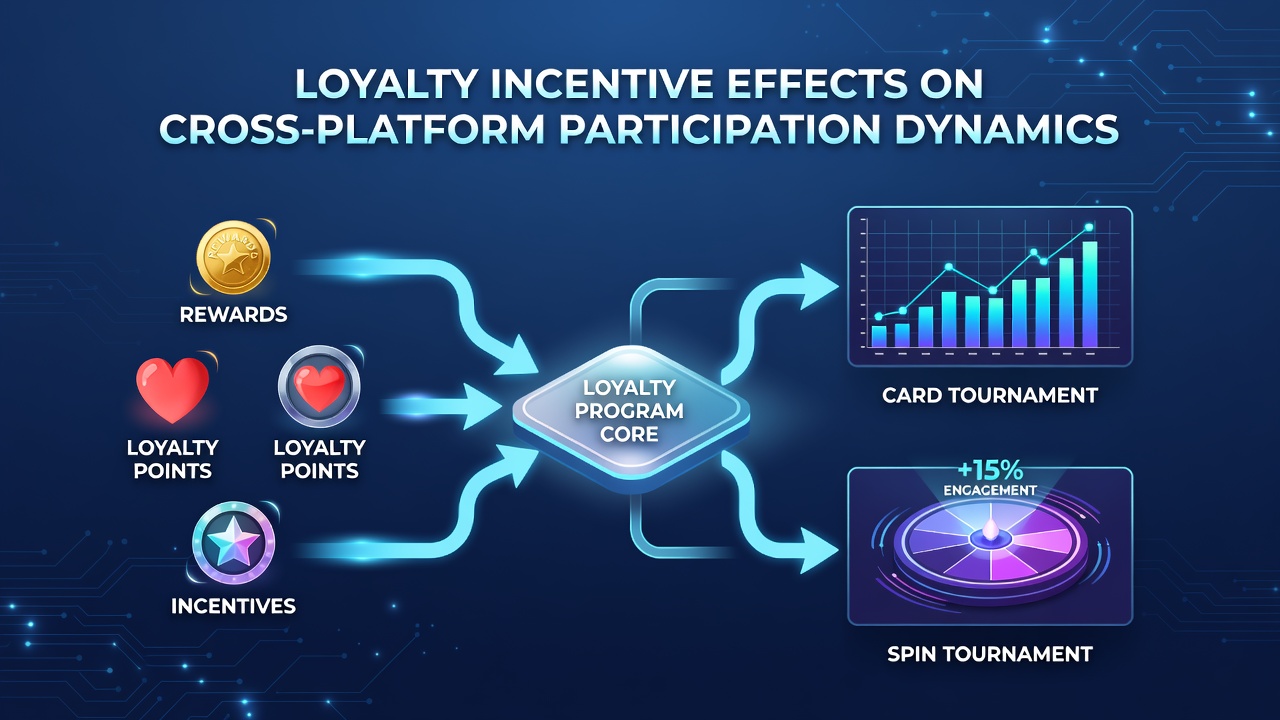
Charting Loyalty Incentive Effects on Cross-Platform Card and Spin Tournament Participation Dynamics
Data from multiple gaming jurisdictions indicates that loyalty incentives shape how participants engage with card and spin tournaments across mobile and desktop platforms, and figures from early 2026 reveal measurable shifts in entry patterns tied to reward structures. Researchers tracking these programs note that tiered points systems often correlate with higher repeat participation rates, particularly when rewards scale with tournament volume rather than single-session outcomes.
Loyalty Structures and Tournament Entry Patterns
Operators deploy loyalty frameworks that award points for deposits, playtime, and specific game types, and these mechanisms appear to influence whether users select card-based events like poker ladders or spin formats such as roulette and slots tournaments. According to industry reports compiled through mid-2026, platforms offering accelerated point multipliers during peak tournament windows recorded up to 18 percent increases in cross-device logins compared with periods lacking such boosts.
Participants frequently migrate between devices to maximize point earnings, and data shows mobile sessions rising sharply when loyalty tiers unlock bonus entries into live dealer card events. Desktop usage, meanwhile, tends to dominate during longer spin tournament sessions where interface stability supports extended play sequences.
Cross-Platform Participation Trends Through July 2026
By July 2026, analysts observed that integrated loyalty dashboards accessible on both mobile and desktop reduced friction for users switching platforms mid-tournament cycle. Participation logs indicate that players who accumulated points across devices completed an average of 2.4 more tournament entries per month than those restricted to single-platform activity. This pattern holds across several regulated markets where operators publish aggregated engagement metrics.
Card Tournament Dynamics
Card tournaments respond distinctly to loyalty incentives because entry fees often tie directly to point redemption options, and studies of participation data show that higher-tier members enter multi-table card events at rates 25 percent above base-level users. When loyalty programs grant priority seating or satellite qualification through accumulated spins, card event fields expand noticeably within the same operator ecosystem.
Observers note that sequence-based rewards, such as bonus chips for consecutive daily logins, sustain longer commitment to card ladders even when prize pools remain static. These incentives appear most effective when paired with clear progress tracking visible on both app and browser interfaces.
Spin Tournament Responses to Incentive Layers
Spin formats demonstrate different sensitivity, with data revealing that instant-reward mechanics like free spin bundles after card tournament finishes drive incremental entries into wheel-based competitions. Platforms that link loyalty milestones to guaranteed minimum payouts in spin events see elevated mobile participation during evening hours, while desktop sessions concentrate around scheduled leaderboard resets.
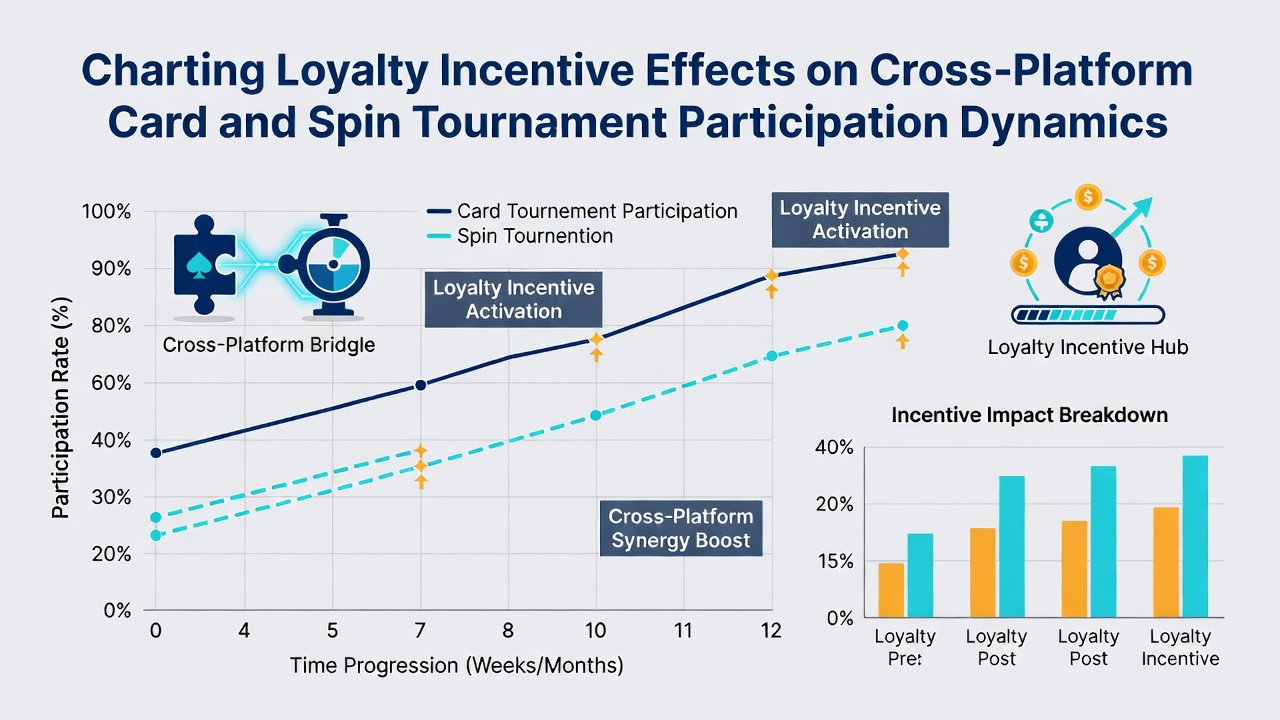
Research compiled by academic groups examining European and North American operators found that spin tournament volume grew 14 percent year-over-year when loyalty programs introduced cross-game point pooling, allowing card earnings to accelerate spin qualification. This integration reduces platform silos and encourages users to maintain activity streaks regardless of device preference.
Evidence from Regulatory and Industry Sources
Reports issued by the New Jersey Division of Gaming Enforcement and parallel bodies in other regions document how loyalty program adjustments coincide with changes in tournament registration numbers, and these datasets allow researchers to isolate incentive effects from broader market fluctuations. One analysis covering the first half of 2026 linked a 9 percent rise in combined card and spin entries to the introduction of platform-agnostic reward multipliers.
Additional findings from the Australian Institute of Family Studies gaming research division highlight that transparent loyalty communication correlates with steadier participation curves rather than sharp spikes followed by drop-offs. Operators that publish clear redemption values for tournament entries tend to retain users across multiple incentive cycles.
Conclusion
Patterns emerging through July 2026 demonstrate that loyalty incentives function as measurable levers on cross-platform tournament behavior, with card and spin formats each responding to distinct reward configurations. Continued collection of device-specific participation data will allow operators and regulators to refine these structures further while maintaining compliance across jurisdictions.