Britain's Licensed Gambling Sector Reports £17.5 Billion Gross Yield in Latest Annual Figures
Freya Müller · Sep 19, 2026

Britain's Licensed Gambling Sector Reports £17.5 Billion Gross Yield in Latest Annual Figures
The licensed gambling industry across Great Britain recorded a total gross gambling yield of £17.5 billion for the financial year running from April 2025 through March 2026, which represents a 4.4 percent rise compared with the previous twelve-month period. Official data released by the Gambling Commission places the growth squarely in the remote sector, where online casinos including slots accounted for the largest share of the increase, while land-based operations posted only modest gains as the number of physical betting shops continued to fall. Those figures capture a clear pattern of shifting consumer preferences toward digital platforms that has developed over recent years.Breaking Down the Overall Yield
Gross gambling yield measures the revenue retained by operators after payouts to customers, and the £17.5 billion total covers all regulated activities under the Gambling Commission’s oversight. The 4.4 percent year-on-year rise follows steady expansion in remote channels that now form the majority of the market. Data compiled in the annual industry statistics report shows remote gambling contributing the bulk of the growth, whereas land-based premises recorded smaller increases amid ongoing consolidation. Observers note that the overall number remains below pre-pandemic peaks in some categories, yet the digital segment has more than offset those shortfalls.Remote Sector Drives Expansion
Online casinos, particularly those offering slots, led the remote category with the strongest contribution to the £17.5 billion total. The Gambling Commission’s statistics indicate that remote betting and casino products together accounted for the majority of teh 4.4 percent uplift, reflecting sustained demand for mobile and desktop play. Operators in this space reported higher volumes of active accounts and increased average session lengths during the twelve-month period ending March 2026. Those patterns align with broader consumer movement away from physical venues toward convenient digital options that operate around the clock.What's interesting is how the remote sector absorbed regulatory changes introduced in prior years while still delivering consistent growth. Figures reveal that slots and casino games within the online channel outperformed sports betting in percentage terms, although both segments posted gains. The report links this performance to improved user interfaces, faster payment processing, and wider game libraries that keep players engaged longer than was typical five years earlier.
Land-Based Operations Show Modest Gains
Physical betting shops, casinos, and arcades experienced only modest revenue growth during the same financial year, and the number of high-street premises continued to decline. Data from the same official statistics document shows that land-based gross gambling yield rose at a slower pace than the remote sector, with several operators closing underperforming locations. Those closures reflect higher operating costs and reduced footfall that have affected traditional venues since the pandemic. Yet the remaining sites recorded stable or slightly higher yields per location, suggesting that surviving premises have adapted through refurbishments and new product offerings.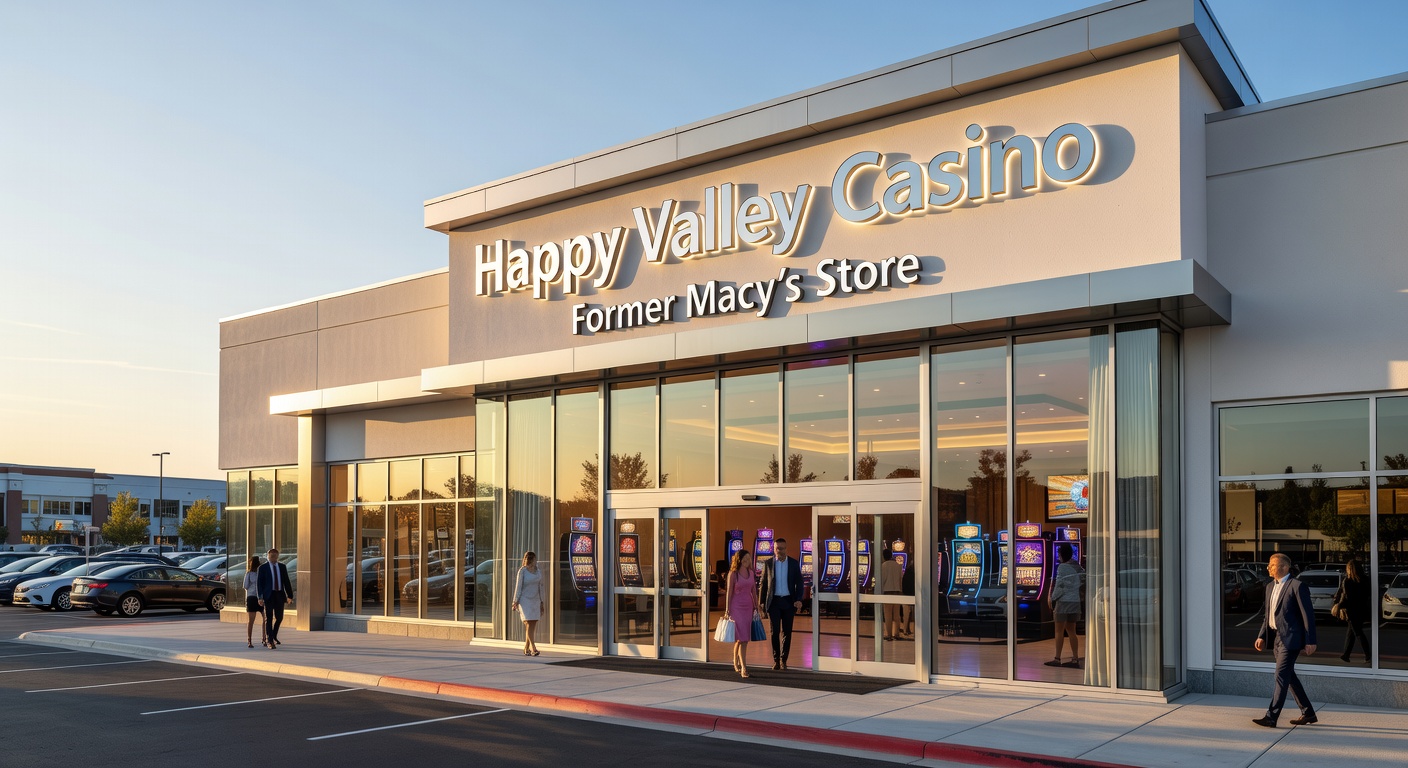
Consumer Preferences Continue to Shift
The April 2025 to March 2026 results underscore an ongoing transition in how British adults choose to gamble. Research compiled by the Gambling Commission shows remote participation rates climbing steadily while visits to physical sites remain below earlier levels. This shift appears in both younger and older demographics, although the pace varies by product type. Online casino games and slots have captured the largest share of new activity, driven by accessibility on smartphones and tablets that allow play from any location with an internet connection.Turns out the data also highlights regional differences within Great Britain, with urban areas showing stronger remote adoption than rural districts where land-based options still retain a foothold. The annual report tracks these trends through operator submissions and survey responses, providing a detailed picture of market evolution. Those who monitor the sector note that the 4.4 percent overall increase would have been smaller without the remote channel’s contribution.